
PASS YOUR NEXT SIM CHECK WITH NO STRESS!
Apply a simple failure management structure built on a unique practical stress management approach that can boost your performance and change your simulator experience.
During an A320 sim check you can encounter 916 primary and independent situations that can trigger an ECAM* out of which many can startle and surprise you.
You are expected to remain cool under pressure and demonstrate competence and diligence exactly when your stress goes up and your mental capacity goes down.
The Challenge of Any SIM Check is
STRESS & MENTAL CAPACITY MANAGEMENT!
Don’t worry! You can do it! It’s easier than you think:
Apply a simple failure management structure built on a unique, practical stress management approach that can boost your performance and change your simulator experience, as detailed in the following four (plus bonus) "Sim check? No stress" video briefings below:
* AIRBUS A318/A319/A320/A321 ECAM SYSTEM LOGIC DATA (ESLD), FWC Standard H2F10D – Oct 01/18
Experienced pilot feedback after watching the videos:
"I have been flying for 27 years. Everything you explained is written in my Lufthansa FCOMs, but the difference lies in the verbal explanation. Nevertheless, your personal explanation made a real difference for me, especially since I transitioned from a more conventional aircraft to the Lufthansa long-haul fleet, the A350. It was very helpful. Thank you."
A350 Captain
How this is going to help you:

Understand your abilities and limitations under stress

Use one simple and reliable failure management structure

Get the best out of your sim preparation: management focused system knowledge
THE SCENARIO DOESN'T MATTER!
Because the management structure is the same.
It is that easy!
EARLY PILOT FEEDBACK (N=69)*
Based on anonymous, voluntary survey responses from pilots who completed a simulator session after watching the Failure Management videos.
74% reported that the improvement was reflected in examiner feedback, and
48% reported improved simulator grading.
77% reported reduced stress
82% reported increased confidence
72% reported feeling more ahead of the aircraft
82% reported improved Fly–Nav–Com-Think!
74% reported improved DODAR/FORDEC
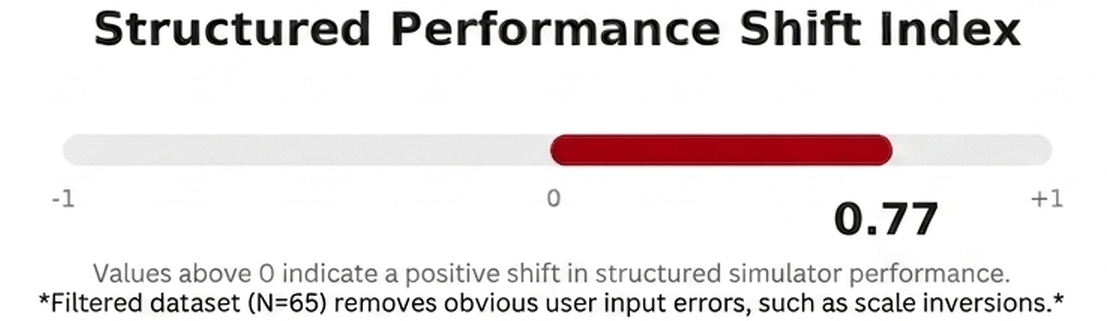
"The structure made the decision-making process much clearer."
“Instead of reacting step-by-step, I had a clear structure to follow.”
"During my type rating, I was told I was way ahead of the aircraft."
BONUS VIDEO: Airmanship and common sense are only as strong as the critical thinking behind them. The following video* illustrates this in a practical, operational context:
*Airbus has updated the fuel penalty factor tables. Check your QRH! The principle described in this video remains valid.
The Research Behind the Framework
The Failure Management structure presented here is a central part of my ongoing PhD research on Resilience Development in Pilot Training. See the About section for more details.
